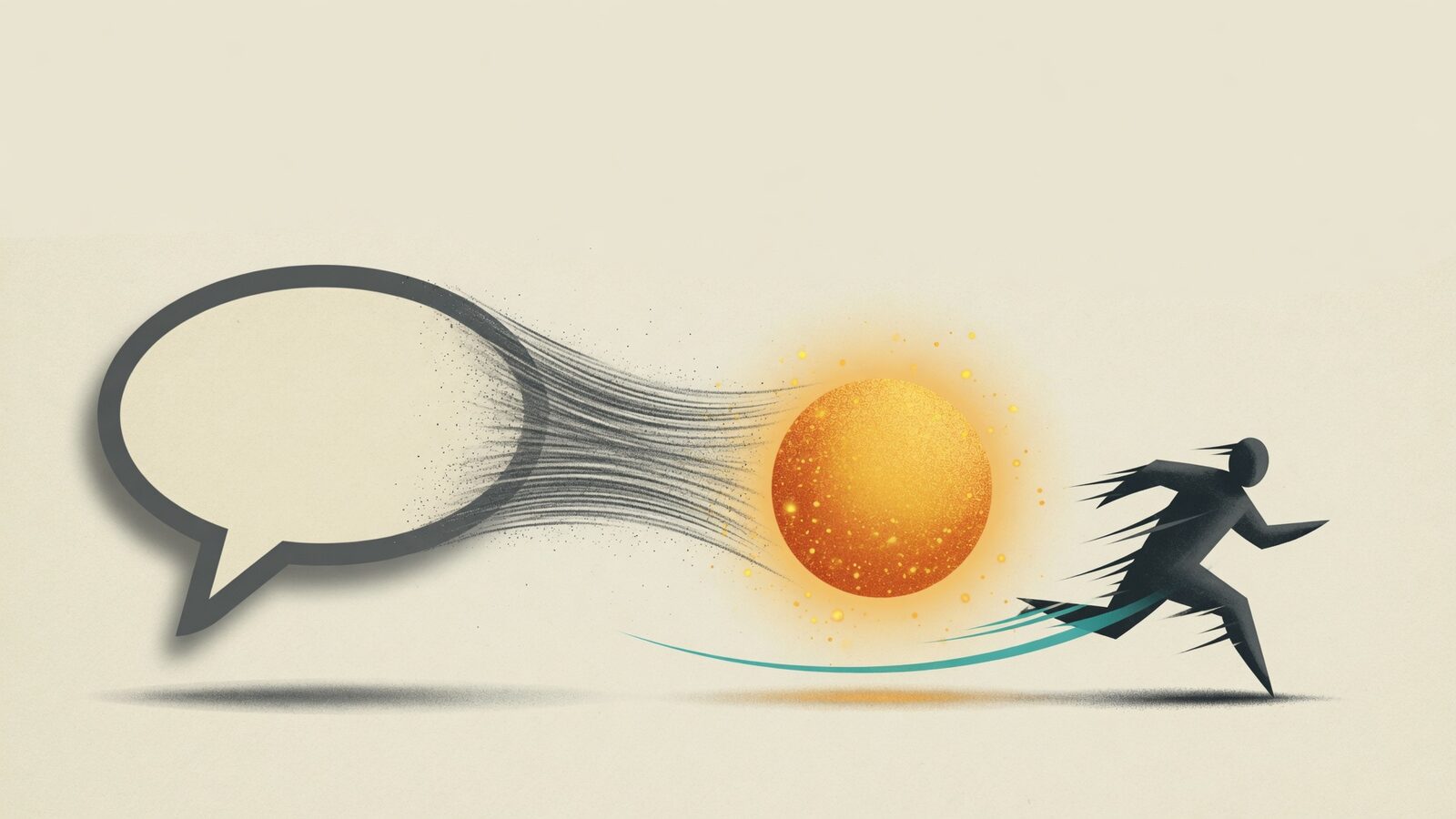
A chatbot answers. An AI agent acts. That is the whole difference, and it is the reason so many business owners tried AI once, shrugged, and moved on. They met the chatbot. They never met the agent.
Key takeaways
- A chatbot responds to prompts; an agent runs multi-step tasks across your tools on its own trigger.
- "I tried a chatbot in 2023" is not the same as trying an agent in 2026.
- Agents remove tasks; chatbots just make the tasks you still do a little faster.
- The safe pattern is the same either way: nothing customer-facing happens without your approval.
- If your goal is to stop being the bottleneck, you want the agent, not a nicer chat window.
A chatbot is a very smart parrot that waits for you to speak. An agent is a colleague who takes a job and finishes it. One talks. The other does. For the full overview, see what an AI agent is and the pillar guide, AI agents for business.
The side-by-side difference
| Chatbot | AI agent | |
|---|---|---|
| Starts work on its own | No, waits for a prompt | Yes, runs on a trigger or schedule |
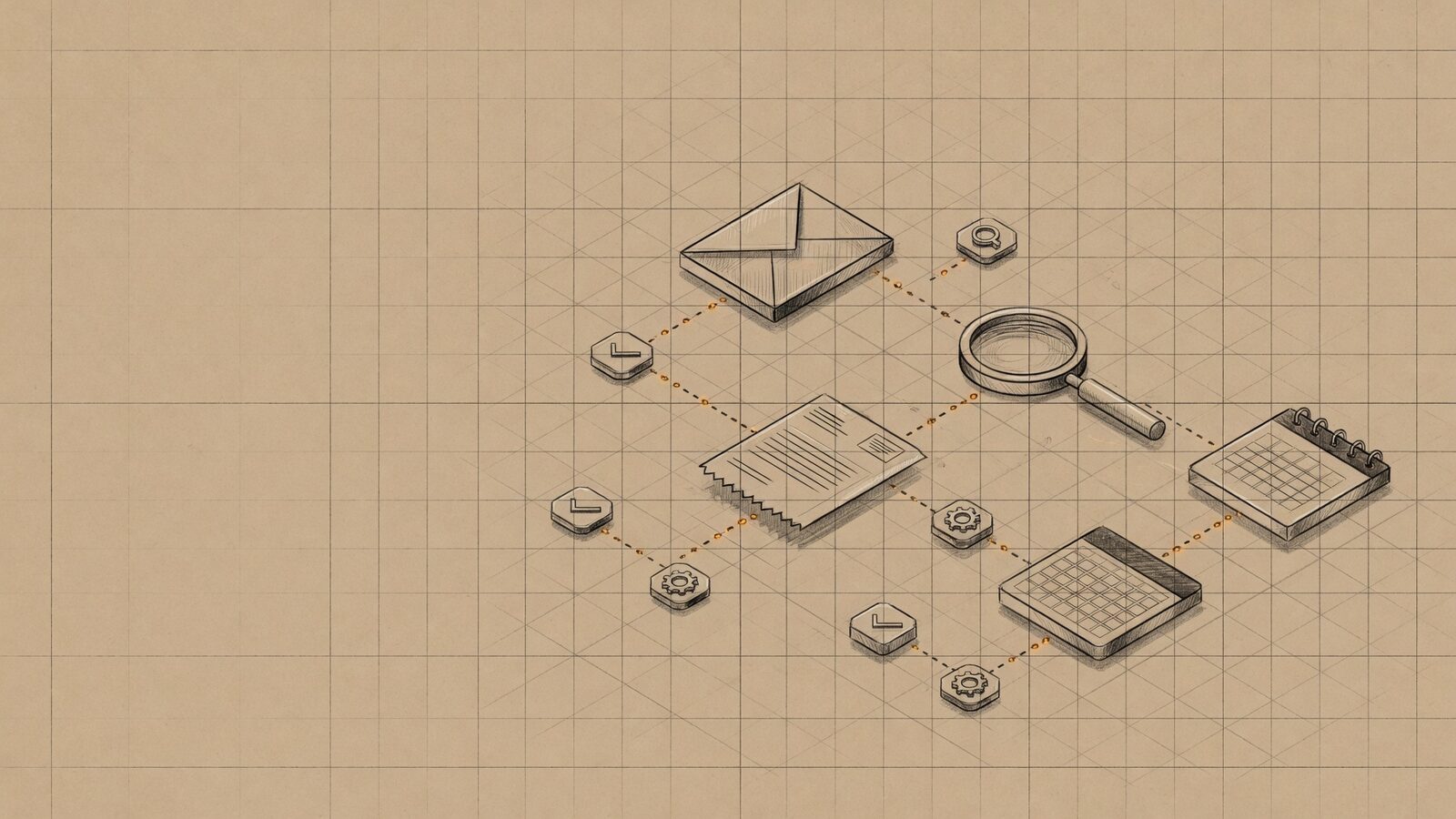
| Uses your tools | No, just talks | Yes: email, CRM, calendar |
| Handles multiple steps | One reply at a time | Plans and completes a full task |
| Remembers context | Usually forgets | Keeps track across the job |
| Supervised | Not really | Works to an approval queue |
Read that table again and you will see why "I tried a chatbot in 2023" is not the same as trying AI in 2026. It is like judging cars by a go-kart.
An example you will recognise
A client emails: "When is my renewal due?"
The chatbot version finds the date and tells you. Helpful. You still have to draft the reply, send it, log it, and remember to chase if they go quiet. The work is still yours.
The agent version reads the email, finds the renewal, drafts a friendly reply in your voice with the date and next steps, updates the CRM, and sets a reminder to follow up if there is silence. Then it drops the draft in your queue. You tap approve. Total effort from you: four seconds. Same question, completely different amount of your life spent on it.
"But I tried a chatbot and it did not help"
Fair. Most people's experience of AI is a blank box that waits for a perfect prompt. You have to know what to ask, ask it well, then copy the answer somewhere useful. That is a tool you have to push every single time, so no wonder it did not stick. An agent is a system that pulls: it runs when the trigger fires, whether that is a new email, a Monday morning, or an invoice going overdue. You set it up once and it works while you sleep. If that is your story, the fuller version is in 'I tried ChatGPT and it did not stick'.
A tangible example: imagine Elena's enquiries
Imagine Elena, who runs a small clinic and used to answer the same booking questions all day. A chatbot on her site could answer them, but she would still do the booking, the reminder, and the follow-up. An agent instead answers the question, offers a slot, books it into her calendar, sends the confirmation, and updates the record, all with Elena approving anything unusual. It is realistic to picture her reclaiming an hour or two a day and never losing an enquiry to a slow reply again. The chatbot made a task faster; the agent made the task disappear.
Is a virtual assistant an AI agent?
Not quite. A human virtual assistant is a person. An AI "virtual assistant" is usually a chatbot with a friendly name. A true agent goes further by acting across your tools, not just chatting. If you are weighing a human VA against an agent, the honest comparison is in AI agent vs virtual assistant.
Why the difference matters for your bottom line
Chatbots make you slightly faster at tasks you still do yourself. Agents remove the tasks. One is a nicer shovel. The other is a digger. If your goal is to stop being the bottleneck in your own business, you want the digger, and you want it pointed at the jobs that eat your week. Start on the home page if you want to see where yours would go first.
When a chatbot is actually the right choice
None of this means chatbots are useless; it means you should use each for what it is good at. A chatbot, or a general chat assistant, is genuinely the right tool when you want an on-demand thinking partner: drafting a tricky email, brainstorming names, summarising a long document, or getting unstuck on a problem. In those moments you want a fast, flexible responder you can push in any direction, and an agent would be overkill. The distinction is about whether the work is a one-off you initiate or a recurring job that should run on its own. If you find yourself asking the chatbot to do the same thing every Monday, that repetition is the signal to promote the task to an agent, because the friction of prompting it each time is exactly the cost an agent removes. Many owners end up using both happily: a chat tool for thinking and drafting on demand, and agents for the recurring work that should simply happen. Knowing which is which is most of the skill, and it usually becomes obvious the moment you notice yourself repeating a prompt.
How to move from chatbot to agent
The path from chatbot to agent is short and low-risk. Start by noticing a task you keep doing through a chat tool, then write down how you do it as if training a new starter, which becomes the agent's instructions. Connect the one or two tools the task touches, run the agent in draft mode for a fortnight so you can check every output, and only widen its freedom once the work keeps coming back right. You are not throwing away the chatbot; you are graduating a specific repetitive job to something that runs itself. That single graduation, done once, is what turns "AI is a handy toy" into "AI took a job off my plate."