Human in the loop means a person approves an AI agent's consequential actions before they happen, usually through an approval queue. It is how you get the speed of agents without gambling your reputation or your money. Done well, you delegate boldly and still hold the wheel.
Key takeaways
- A person approves the agent's consequential actions, usually via a "Needs You" queue.
- Some things must always need sign-off: money, sending to customers, hiring and firing.
- A maturity ladder lets low-risk, proven tasks earn more freedom over time.
- The loop is deliberate design, not a failsafe, and it is what converts cautious buyers.
- Control is not the opposite of automation; it is what makes aggressive automation safe.
Here is the pattern properly explained, including what must always need your sign-off. It is the safety principle that runs through every article in this cluster and the whole safety answer.
The approval-queue pattern
The mechanism is simple: a queue. Agents do their work and drop anything consequential into a "Needs You" list, drafted emails, proposed updates, outreach ready to go. You review the queue, tap approve, edit, or reject, and only then does anything happen. The agent works flat out around the clock; you make the calls that carry consequences, in minutes. This is the difference between an agent that feels safe and one that feels like a loaded gun. The queue is where your judgment lives, and it is why handing over real work stops being scary.
What must always need sign-off
Some things should never be fully automated, no matter how much you trust the agent. Three in particular. Money: any payment, refund, or financial commitment, always a human. Sending to customers: anything that reaches a client's inbox or phone, always a human, because your reputation rides on it. Hiring and firing, and other high-stakes people decisions: judgment and accountability that should not sit with software. Everything else can move up the ladder as trust builds. These three stay put permanently.
The supervision maturity ladder
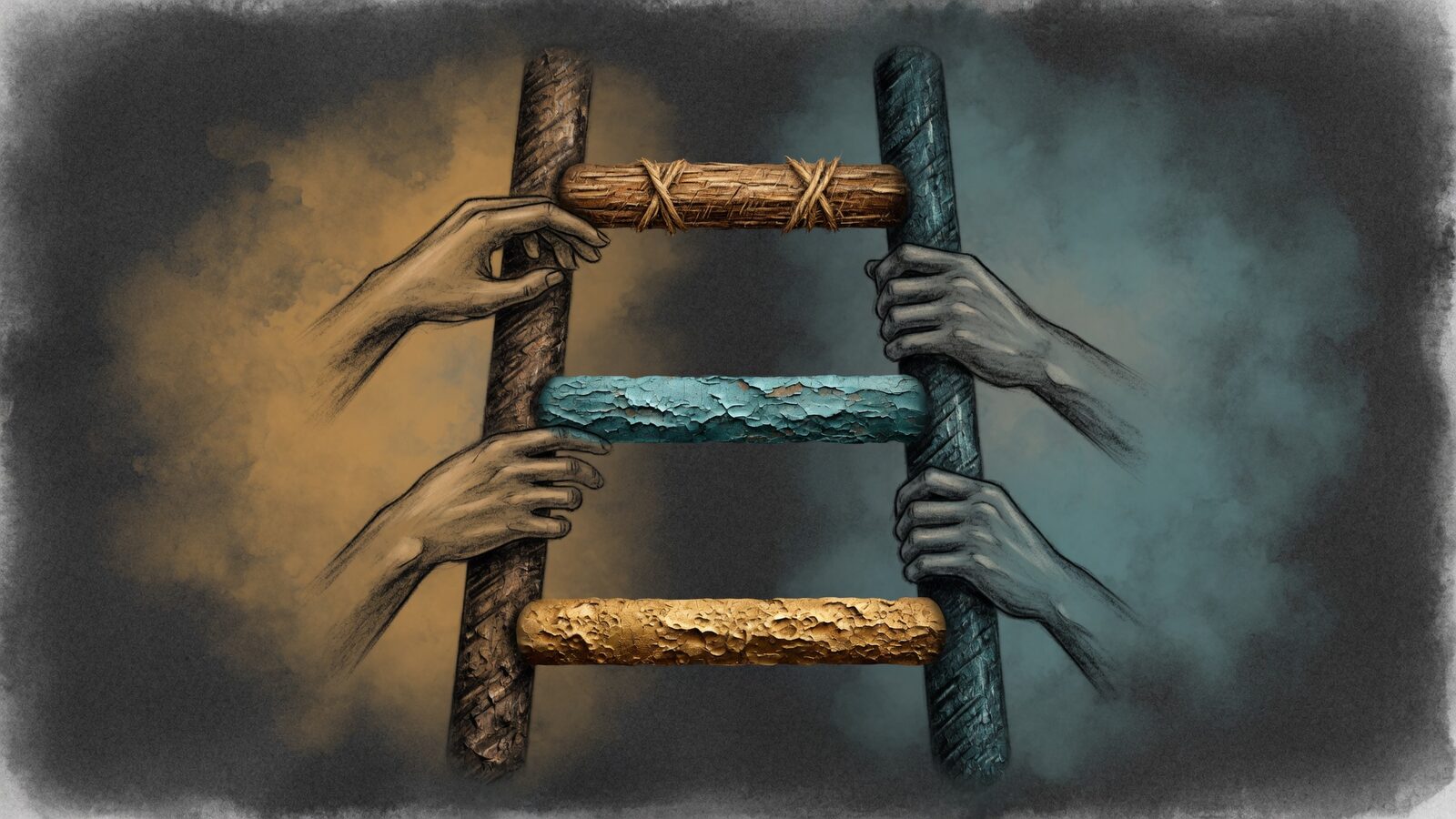
As you get comfortable, agents earn more freedom. Here is the ladder to climb, one rung at a time.
| Rung | Agent freedom | Human role |
|---|---|---|
| 1. Shadow | Produces output only you see | Compare and check |
| 2. Draft | Prepares real work, queued | Approve every item |
| 3. Limited | Acts within a safe fence | Handle exceptions only |
| 4. Trusted | Acts on routine, escalates the rest | Approve the sensitive few |
You never skip to rung four on day one. You climb as the work keeps coming back right, exactly how you would extend trust to a new hire, which is the same testing ladder run as an ongoing discipline. Money, sending, and hiring stay at rung two forever.
Why this converts the cautious buyer
If you have hesitated over agents because you fear losing control, this is the answer. You do not hand over the keys, you hand over the driving and keep the brake. The loop is not a training-wheel you remove later; it is the permanent design that lets a careful owner delegate more than they ever thought they could. Cautious and capable are not opposites here. The queue is what lets you be both, and it is why the owners who worry most about control often end up delegating the most once they see it.
The "Needs You" queue in daily life
In practice, living with a human-in-the-loop setup is calmer than it sounds. Your day gains a single, tidy place, the queue, where the work your agents have prepared waits for your decision, rather than being scattered across tools and half-remembered. You clear it in minutes: approve the routine, edit the near-misses, reject the rare wrong one. It replaces the anxiety of "what is my software doing right now" with the calm of "nothing happens without my tap." Far from feeling like extra work, the queue usually feels like relief, because it concentrates your judgment on the few decisions that matter and removes it from the many tasks that do not. That daily rhythm, prepare overnight, approve over coffee, is the lived experience of staying in control.
Getting the balance right
The art of human-in-the-loop is putting the line in the right place, because too much approval is as much a problem as too little. Gate everything forever and you never reclaim your time, spending your life rubber-stamping trivial drafts. Gate nothing and you expose yourself to exactly the risks the loop exists to prevent. The right balance moves over time: tight at first while trust is low, then loosening on proven, low-risk tasks so the agent acts within limits, while the genuinely consequential actions stay gated permanently. Getting this balance right is what turns human-in-the-loop from a bottleneck into leverage, and it is a judgment you refine as you learn how reliable each agent is.
How the loop scales with your team
Human in the loop is not just for solo owners; it scales cleanly to a team, and understanding how helps you grow without losing control. Each agent reports its consequential actions into a queue owned by a specific person, so the sales agent's outreach is approved by the sales lead, the finance agent's actions by whoever owns finance, and so on. Nobody approves work they should not, and every action has a named human accountable for it. As the team grows, you are not funnelling everything through one overwhelmed founder; you are distributing approval to the right people, each clearing their own small queue. This is what lets a hybrid team of humans and agents run at scale while keeping the principle intact: everything consequential still passes a human, just the appropriate one.
Why architecture beats promises
The reason human-in-the-loop is so reassuring is that it replaces trust with design. A vendor can promise their agent will behave, but a promise is only as good as the vendor, and it does nothing to stop a genuine mistake. An approval queue, by contrast, does not rely on anyone's good intentions: the agent literally cannot send, spend, or commit without a human tap, because the workflow is built that way. You are not asked to believe the agent is safe; you can see that it is structurally incapable of the actions you fear. This is why "control by architecture" is the phrase that matters. Promises reassure; architecture guarantees, and when your reputation and money are on the line, you want the guarantee.
Starting with the loop from day one
The best time to establish human-in-the-loop is at the very start, before an agent does any real work, because retrofitting control onto a system that already acts freely is far harder than building it in. From the first agent, set up the queue, decide what it may do within limits and what must be approved, and switch destructive permissions off. That way the safe pattern is simply how your agents work, not a constraint added later after a scare. Owners who build the loop in from day one never have the frightening "what is my software doing" moment, because the answer was designed to be "nothing, without me," from the beginning. It costs nothing extra to start safe, and it saves a great deal of worry.