Here is the honest version, without the hype and without the doom. In 2026, AI agents are genuinely brilliant at a specific kind of work, describable, repeatable, digital, and genuinely bad at another kind, ambiguous, relational, physical. Knowing which is which is the whole game, and it is what separates businesses that get real value from those that waste a year being disappointed.
Key takeaways
- Agents excel at describable, repeatable, digital tasks: triage, research, drafting, chasing, reporting, scheduling.
- Agents struggle with ambiguity, genuine judgment, physical tasks, and anything needing real human rapport.
- The right test is not "is this impressive" but "can I describe this task in a paragraph."
- The winning pattern is human plus agent: the agent does the grind, the person does the judgment.
- Capability is rising fast, but the can and can't boundary is about the shape of the task, not the year.
Below is the candid list, so you can point an agent at the right work and keep the wrong work with a person. If you are new to the whole idea, start with what an AI agent is.
What agents can do well in 2026
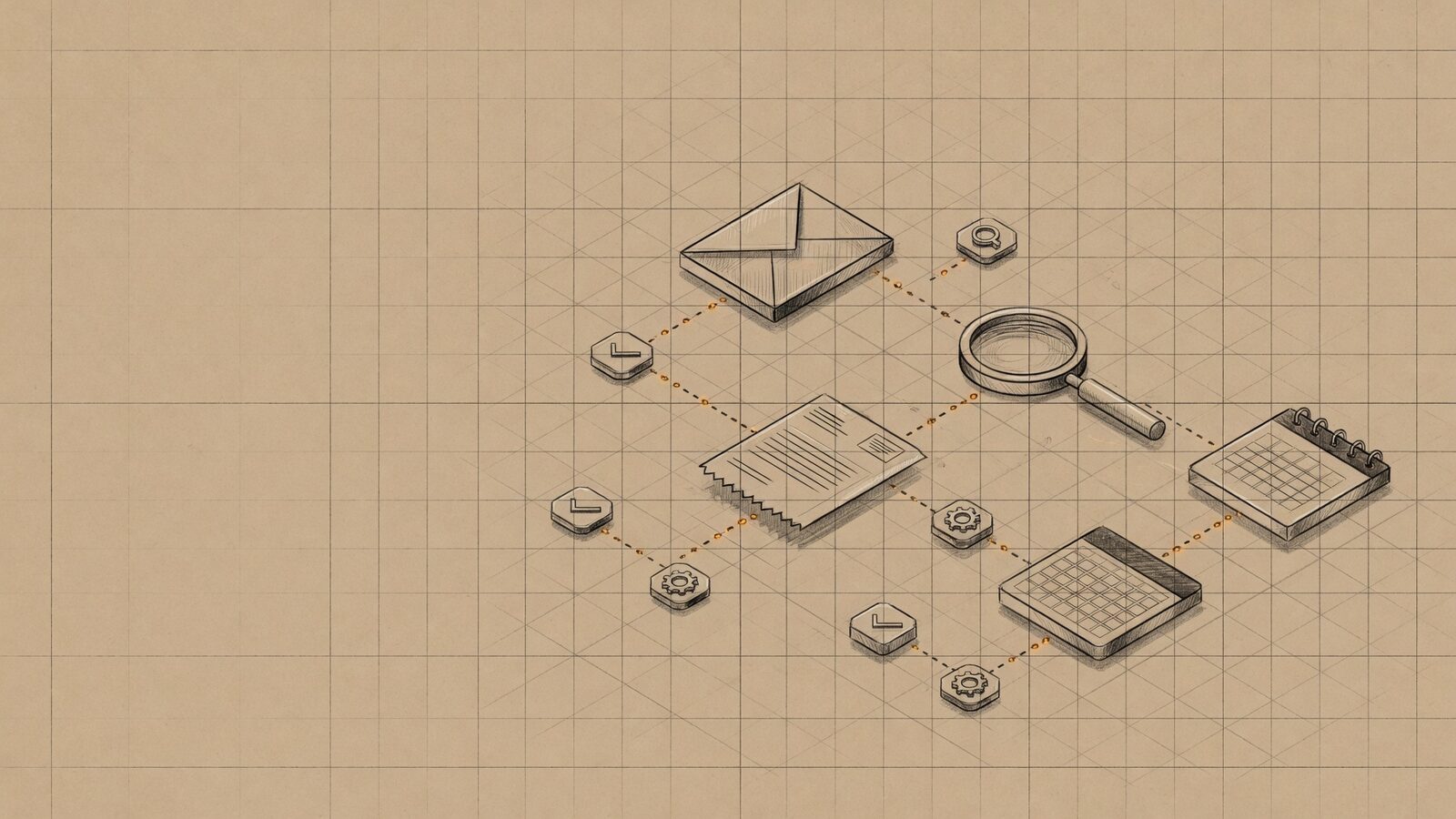
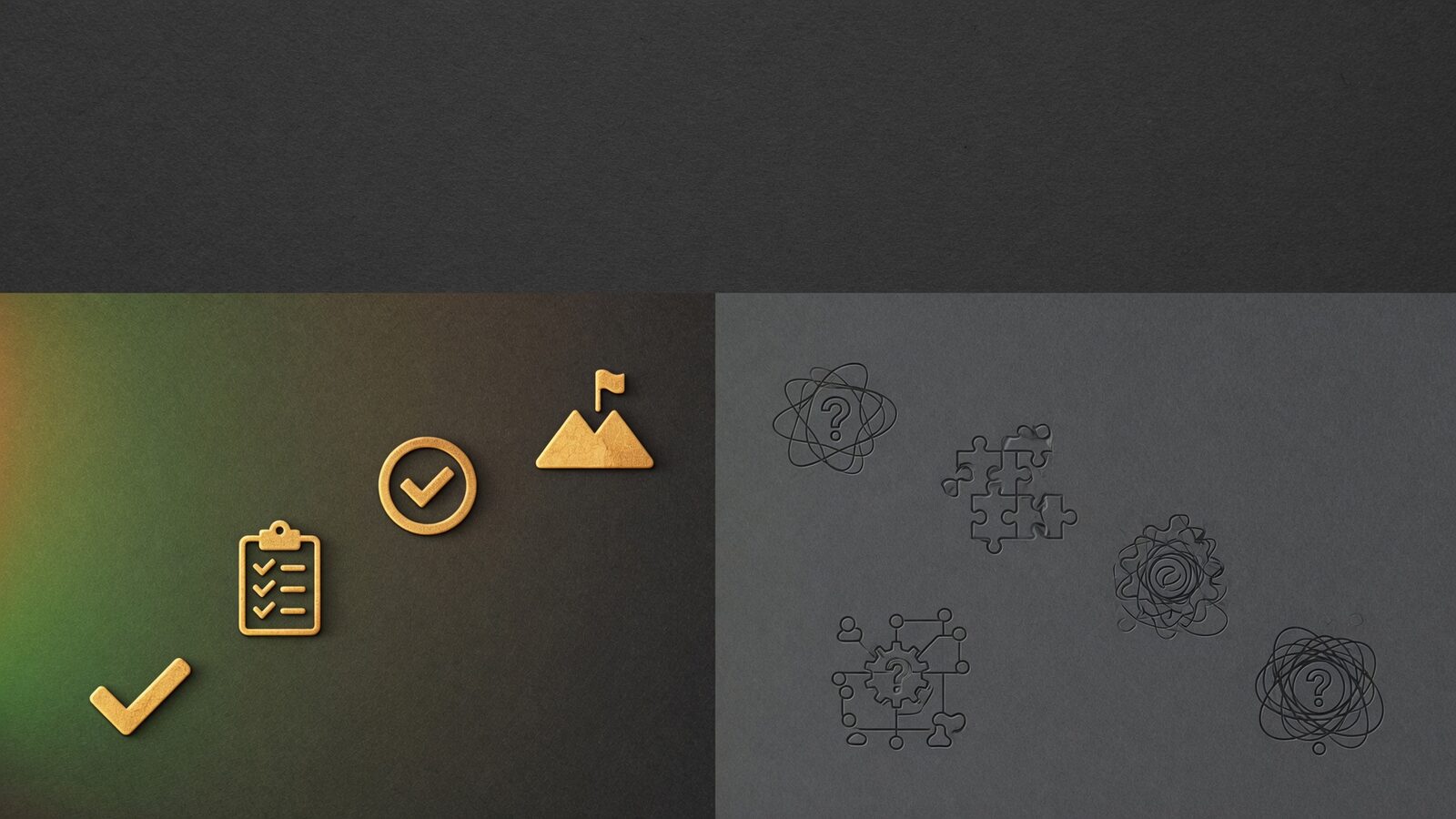
The sweet spot is any task that is the same shape every time and lives entirely on a screen. Inbox triage, sorting and prioritising what lands in your inbox. Research, pulling together background on a company or person from public sources. Drafting, first-pass emails, proposals, posts, and reports. Chasing, following up on overdue invoices or unanswered leads on a schedule. Reporting, assembling the same numbers into the same format every week. Scheduling and coordination, the back-and-forth of booking things in. These are not toy capabilities; they are hours of real work an agent removes from your week, reliably and around the clock.
What agents still can't do well
The weak spots are the mirror image: anything ambiguous, relational, or physical. An agent does not truly weigh a delicate judgment call the way an experienced person does; it follows its instructions well but does not exercise wisdom. It cannot build genuine rapport on a live call, read a room, or handle an upset client with real empathy. It cannot do anything in the physical world. And it struggles when a task drifts outside what you described, because it does not improvise its way through genuine novelty the way a human can. Handing these to an agent is where people get burned and conclude, wrongly, that agents do not work.
The test that actually matters
Forget whether a demo looks impressive. The useful test is simple: can you describe this task, start to finish, in a paragraph? If you can write down the steps and the rules, an agent can probably run it. If the honest answer is "well, it depends," and the depends-on is judgment or relationships, keep it with a person. This one test will steer you right far more reliably than any list of features.
A quick reference table
| Task type | Agent in 2026 | Keep with a human |
|---|---|---|
| Inbox triage and sorting | Yes | - |
| Research from public sources | Yes | - |
| First-draft writing | Yes | - |
| Chasing invoices and leads | Yes | - |
| Weekly reporting | Yes | - |
| Delicate client conversations | - | Yes |
| Genuine judgment calls | - | Yes |
| Physical or in-person work | - | Yes |
| Novel, undefined problems | - | Yes |
A tangible example: imagine Cormac's week
Imagine Cormac, who runs a small consultancy and spends his mornings buried in admin before he does any real work. He hands an agent his inbox triage, his weekly client report, and his invoice chasing, the three tasks he could describe in a paragraph each. It is easy to picture the result: those mornings come back, the agent runs the grind overnight, and Cormac spends his freed hours on the advice and relationships that actually pay. He keeps the discovery calls, the tricky negotiations, and the judgment firmly for himself, because those fail the paragraph test. That split is the whole point.
Capability is rising, but the shape stays the same
Agents are more capable every few months, and tasks that were borderline last year are comfortable now. But do not wait for some future version to do the judgment and relationship work, because the can and can't boundary is not really about the year, it is about the shape of the task. Describable and digital will keep getting better; ambiguous and human will stay human for a long time yet. Build around that boundary and you get value today rather than waiting for a tomorrow that changes less than the headlines suggest.
The winning pattern: human plus agent
The businesses getting the most from agents in 2026 are not the ones trying to automate everything, nor the ones sitting it out. They are the ones running a human-plus-agent pattern: the agent does the describable grind, the person does the judgment, and a quick human review sits on anything customer-facing. You get the speed and cost of automation with the wisdom and warmth of a person. That combination, not the agent alone, is what actually moves a small business forward.
How to start with the right task
Do not start with the flashiest possible use; start with the most obviously describable one. List the tasks eating your week, mark each as describable-and-digital or ambiguous-and-human, and hand the heaviest describable one to an agent first. Prove it over a fortnight in draft mode, then let it run and move to the next. A free AI readiness audit does exactly this sorting with you, or start on the home page.
Why the hype and the doom are both wrong
Two loud stories dominate the conversation, and both mislead. The hype says agents can already run your whole business, which sets you up to hand over judgment and relationship work they cannot do, then feel cheated. The doom says agents are useless toys that never quite work, which keeps you doing hours of describable drudgery by hand while competitors quietly automate it. The truth sits calmly in the middle: agents are genuinely excellent at a specific, valuable slice of work and genuinely poor at another. Ignore both the evangelists and the cynics, look honestly at the shape of each task, and you will make better decisions than anyone shouting at either extreme.
The one-year outlook worth planning for
Looking a year ahead without overpromising: the describable, digital tasks agents already handle will get faster, cheaper, and a little more capable at the edges, so borderline tasks today become comfortable soon. But do not build your plans around a future leap into judgment and relationships, because that is not where the trajectory points on any near horizon. Plan to hand over more of the describable work as it improves, and to keep investing your people in the human work that stays human. That is a plan that pays off now and keeps paying off, rather than one that waits on a breakthrough that may never quite arrive in the shape the headlines promise.